
Packing for a move sounds simple until you start making the list. You need boxes in the right sizes, tape that holds, padding for fragile items, and enough supplies to finish without constant store runs. If you are planning a move in Paso Robles, or anywhere else, knowing where to buy packing supplies can save time, lower stress, and help you stay on budget.
This guide covers the questions people actually ask. Where can you buy packing supplies without overspending? What should you pick up in store, and what is easier to order online? Are free boxes worth the effort? And when does it make sense to stop piecing supplies together and get help from a professional packing team?
By the end, you should have a clear plan for where to shop, what to buy, what to skip, and how to make your move feel far more manageable.
Where Can You Buy Packing Supplies? Quick Answer
If you want the short answer, the best places to buy packing supplies are big box stores, moving companies, online retailers, local packaging stores, and free community sources.
- Big box stores are great for same day convenience.
- Moving companies are useful for better quality materials and specialty boxes.
- Online retailers work well for bulk orders and planned moves.
- Local packaging stores can help with fragile or unusual items.
- Community sources can save money if you have time to search.
Home Depot has a dedicated moving supplies section with standard moving boxes, TV boxes, wardrobe boxes, bubble cushion, mattress bags, packing tape, moving blankets, dollies, and hand trucks. Lowe’s and Walmart also carry moving boxes and related supplies online, while U Haul sells boxes, tape, packing paper, specialty cartons, and moving kits, plus a buy back policy for unused boxes with a receipt.
The best place to buy packing supplies depends on what matters most right now. If you are on a deadline, convenience usually beats bargain hunting. If your move is still a few weeks away, you have room to combine free supplies with targeted purchases and save money without adding stress.
Best Places to Buy Packing Supplies
Big Box Stores
For many moves, big box stores are the easiest starting point. They are familiar, close by, and usually open when you need them. That makes them a practical answer when you are wondering where to get moving boxes and packing supplies fast.
Home Depot, Lowe’s, and Walmart all offer a broad range of common supplies. Home Depot groups boxes, kits, tape, bubble cushion, mattress bags, blankets, dollies, and truck related gear in one category. Lowe’s offers multiple box sizes and types, including wardrobe and television boxes. Walmart carries moving boxes, packing paper, bubble wrap, and other relocation basics through its moving sections online.
The biggest benefit is speed. You can pick up standard supplies in one trip, add a few extras when you realize you miscounted, and keep packing the same day. For a smaller move, that convenience is often worth the slightly higher spend.
The downside is that totals can rise quickly if you buy everything there without a plan. Standard boxes may be reasonably priced, but paper, tape, bubble wrap, and specialty cartons add up fast. Inventory can also vary by location, so it is wise to check stock before heading out if you need something specific.
Moving Companies and Local Providers
Moving companies are often one of the best places to buy packing supplies, especially when you want stronger materials or need guidance on what actually fits your move. Many people assume this route is always more expensive. Sometimes it is. Sometimes it is not. The bigger advantage is that moving suppliers tend to stock materials designed for real transport, not just shelf display.
U Haul is a good example. Its moving supplies pages include standard box sizes, wardrobe boxes, dish barrels, electronics boxes, TV boxes, paper, blankets, stretch wrap, and kits for different move sizes. It also states that unused U Haul moving supplies can be returned under its buy back guarantee when you have the receipt.
This route is especially helpful when you are unsure what you need. A moving team can tell you whether your dishes need a dish pack, whether your framed art needs a picture box, or whether your books should go into smaller cartons. That advice prevents waste and helps protect the items that matter most.
Online Retailers
If your move is still far enough away that shipping is not a problem, online retailers can be an excellent option. They are useful for comparing prices, placing bulk orders, and finding specialty items that local stores may not carry consistently.
The biggest advantage is selection. U Haul’s online catalog alone includes standard sizes, heavy duty boxes, picture and mirror boxes, electronics boxes, moving kits, and furniture protection products.
Online shopping also helps organized movers. You can estimate room by room, order in stages, and avoid loading a car with oversized supplies. The main drawback is timing. Shipping delays, returns, and last minute changes are all harder to handle online than in person.
Specialty Stores and Budget Retailers
Specialty packaging stores are worth considering if you are moving artwork, heirlooms, instruments, or sensitive electronics. They usually carry thicker materials and more protective options than a general retail aisle. This will not be the cheapest route, but it can be the smartest one when replacement would be expensive.
Budget retailers can also play a role. Even if you buy your main boxes elsewhere, lower cost stores may be a good place to grab markers, labels, gloves, zip bags, or cleaning items. Many movers do best with a mixed approach. Buy the protective materials where quality matters, then save on the smaller support items.
Where to Get Moving Boxes and Packing Supplies for Free or Cheap
New supplies are convenient, but they are not the only option. If your main goal is to keep costs down, there are plenty of ways to find moving boxes and packing materials for little to no money.
Community marketplaces come up again and again in real moving conversations. In the recent Reddit thread about inexpensive packing supplies, people repeatedly suggested Facebook Marketplace, Craigslist, Nextdoor, Buy Nothing groups, Freecycle, local liquor stores, storage facilities, and asking neighbors or employers for leftover materials. Another discussion focused on buying supplies still pointed people toward free community sources for boxes, even when they planned to buy some matching cartons for the main move.
Here are some of the best places to look:
- Facebook Marketplace and Craigslist for quick local pickups
- Nextdoor and neighborhood groups for nearby leftover supplies
- Buy Nothing groups and community swap pages for free boxes and wrap
- Liquor stores for sturdy boxes and dividers
- Offices, warehouses, and retailers that discard clean packing materials
- U Haul Box Exchange and in store free box bins. U Haul says customers can find, sell, or give away boxes through its Box Exchange, and company owned locations include a take a box and leave a box bin.
Free supplies do come with tradeoffs. Used boxes may have soft corners, light moisture damage, or weakened bottoms from a previous move. Sizes also tend to be inconsistent, which makes stacking harder in a truck or storage unit.
The smartest move is often a combination. Use free boxes for lighter, lower risk items like linens, shoes, and garage overflow. Buy new boxes for dishes, books, electronics, and anything that would be a headache to replace.
What Packing Supplies Do You Actually Need?

A lot of moving budgets grow because people shop before they know what their home really requires. You do not need every product in the moving aisle. You do need the basics, plus a few targeted supplies for the items that need extra care.
Essential Supplies for Most Moves
For most homes, the core supply list looks like this:
- Small, medium, and large boxes
- Strong tape
- Packing paper
- Bubble wrap or another cushioning material
- Markers and labels
- A utility knife or scissors
- Stretch wrap for loose bundles or furniture padding
- Mattress bags if you want extra protection
If you are choosing between packing paper and bubble wrap, paper usually gives you more value for general household packing. It works for wrapping dishes, filling empty space, and protecting surfaces without driving the total up too quickly. Bubble wrap still has a place, especially for glass, screens, and fragile décor, but it can get expensive fast.
Specialty Supplies That Matter
Some items need more than a regular carton. Wardrobe boxes help you move hanging clothes quickly. Dish packs protect plates and bowls. Picture boxes help with art and mirrors. Electronics boxes reduce extra space around smaller devices and accessories.
This is also where box size matters. Books belong in smaller cartons. Fragile kitchen items should not be shoved into oversized boxes. If a box feels heavy before it is even full, it is probably the wrong choice.
Homes near Cal Poly in San Luis Obispo can come with stairs, tighter parking, or more compact entry points, which makes manageable box size even more important. Easy to carry boxes are not just more comfortable. They also reduce the odds of drops and rushed loading mistakes.
What You Can Skip or Replace
You do not need to buy cushioning for every single item. Towels, blankets, sweatshirts, socks, and linens can protect many household goods surprisingly well. Reddit users in the moving thread repeatedly suggested using clothes, towels, and bedding in place of some bubble wrap, especially for lower risk items.
You can also skip oversized supply bundles if you are not confident they match your home. Kits are convenient, but they are not perfect for every apartment, family house, or storage heavy move.
A Simple Room by Room Way to Estimate Supplies
If you are not sure how much to buy, do not start with a giant guess for the whole house. Start room by room.
A bedroom usually needs medium boxes, wardrobe support if you want to keep clothes hanging, and a decent amount of tape for drawers, baskets, and loose décor. A kitchen needs the most paper, smaller cartons for heavy items, and often at least a few specialty boxes for dishes or glassware. A living room may use fewer cartons, but it often needs better protection for electronics, lamps, framed art, and decorative items. Garages, laundry rooms, and storage closets tend to surprise people because they hold odd shapes, heavier tools, and overflow items that do not pack neatly.
This approach does two helpful things. First, it keeps you from overbuying in the early stages. Second, it shows you where your budget actually needs to go. Most moves do not fail because someone forgot one more medium box. Problems usually start when a kitchen or garage gets packed with the wrong materials.
How to Choose the Best Place to Buy Packing Supplies
The best place to buy packing supplies changes based on budget, schedule, move size, and item type. Once you look at those four factors, the decision usually becomes much easier.
Choose Based on Budget
If your goal is to spend as little as possible, start with free sources and buy only the items that truly need to be new, such as tape, mattress bags, or specialty boxes for fragile items.
If you have a moderate budget, use a mixed strategy. Buy your main supplies from a reliable store or moving company, then supplement with free materials where it makes sense.
If convenience matters more than price, buy a complete set from one place and move on. That approach costs more up front, but it saves time and mental energy.
Choose Based on Timeline
A last minute move changes your priorities. When time is tight, the best place to buy packing supplies is usually the closest reliable store with boxes in stock. Big box retailers and moving companies are your safest options.
If your move is several weeks away, online ordering becomes more appealing. You have time to compare sizes, build a better list, and order specialty items without worrying about delays.
Choose Based on Home Size and Item Type
A studio or one bedroom move usually does not require a complicated supply strategy. A larger family move does. Matching boxes stack better, organized categories reduce confusion, and running out of paper or tape becomes a much bigger problem when you are packing a whole house.
If you own fragile kitchenware, electronics, framed art, or specialty furniture, do not make your decision on price alone. Protective materials matter more when replacement would be expensive.
Where to Buy Packing Supplies Last Minute
Last minute moves are stressful because every extra errand feels larger than it should. When the clock is ticking, simplify the decision. You are not searching for the absolute lowest possible price. You are looking for supplies that are good enough, available now, and easy to grab.
Your best last minute options are usually Home Depot, Lowe’s, Walmart, U Haul, or a local moving company that sells supplies. Home Depot highlights same day delivery for select moving supplies in some locations. U Haul also offers same day delivery and free in store pickup on many moving supplies.
If you are buying late in the process, focus on the essentials first:
- Small and medium boxes
- Strong tape
- Packing paper
- A marker
- One or two specialty boxes only if you really need them
- Stretch wrap or bubble wrap for the most fragile items
When time is short, it is better to buy solid basics and keep packing than to chase the perfect setup and fall further behind.
Buying Packing Supplies Online vs In Store
This choice gets easier when you stop treating it like an all or nothing decision. Buying online is not always better, and shopping in store is not always easier. Each one solves a different problem.
Online shopping makes sense when you want to compare sizes, place a bulk order, or build a more organized plan for a larger move. It is also helpful when you need specialty items that are harder to find locally.
In store shopping makes more sense when speed matters, when you want to feel box thickness in person, or when you prefer to buy in stages. It is also easier for people who do not want to overbuy, because seeing supplies in a cart can make quantities feel more real.
For many households, the best approach is a combination. Order specialty supplies or bulk paper online if you have time, then buy extra boxes, tape, and final add ons in store.
How Much Do Packing Supplies Cost?
The cost of packing supplies depends on your room count, how fragile your belongings are, and whether you buy everything new. Even so, it helps to think in practical ranges instead of vague guesses.
Single standard boxes are often only a few dollars each, while specialty cartons cost more. U Haul currently lists common box sizes such as small, medium, large, and extra large in low single digit price ranges, while wardrobe boxes, TV boxes, dish kits, and electronics boxes cost noticeably more. It also sells apartment and multi bedroom kits at much higher totals because they include multiple box types and protective supplies.
The easiest way to avoid a surprise total is to estimate by room. Kitchens and garages usually need more supplies than people expect. Bedrooms often use more tape and paper than boxes. Living rooms vary based on décor, electronics, and framed items.
Tips to Save Money on Packing Supplies
There is a big difference between saving money and cutting corners. The goal is to spend carefully while still protecting your belongings.
Start by paying for the items that need to be dependable. Tape is worth it. So are specialty boxes for dishes, mirrors, and televisions. Once those are covered, look for savings on the less critical pieces.
Here are practical ways to lower the total:
- Use free boxes for light and non fragile items
- Wrap some household goods with towels, blankets, and clothing
- Buy only a limited amount of bubble wrap unless you truly need more
- Purchase extra paper and tape before buying too many specialty items
- Pack room by room so you can see what is actually missing
- Return unused boxes when the retailer allows it. U Haul says unused boxes can be returned with a receipt under its buy back guarantee.
A mixed supply plan usually saves the most money. Use community sources for basic materials. Buy fresh, dependable supplies for the things that need real protection.
Common Mistakes to Avoid When Buying Packing Supplies
Most people do not struggle because they forgot boxes exist. They struggle because they buy the wrong mix, wait too long, or underestimate how fast supplies disappear once packing starts.
Buying too few boxes is one of the most common mistakes. People think they can finish a kitchen with a handful of cartons, then realize the pantry alone needs several more.
Buying oversized boxes for heavy items is another issue. Large cartons look efficient, but they become miserable when filled with books, canned goods, or files. Smaller boxes are safer and easier to carry.
Waiting too long to buy tape and paper also causes unnecessary frustration. Boxes get the attention, but tape and paper vanish quickly.
Finally, free boxes are only helpful when they are still strong. If a used box looks soft, warped, or overly worn, do not trust it with dishes or electronics.
Where We Work and How We Help
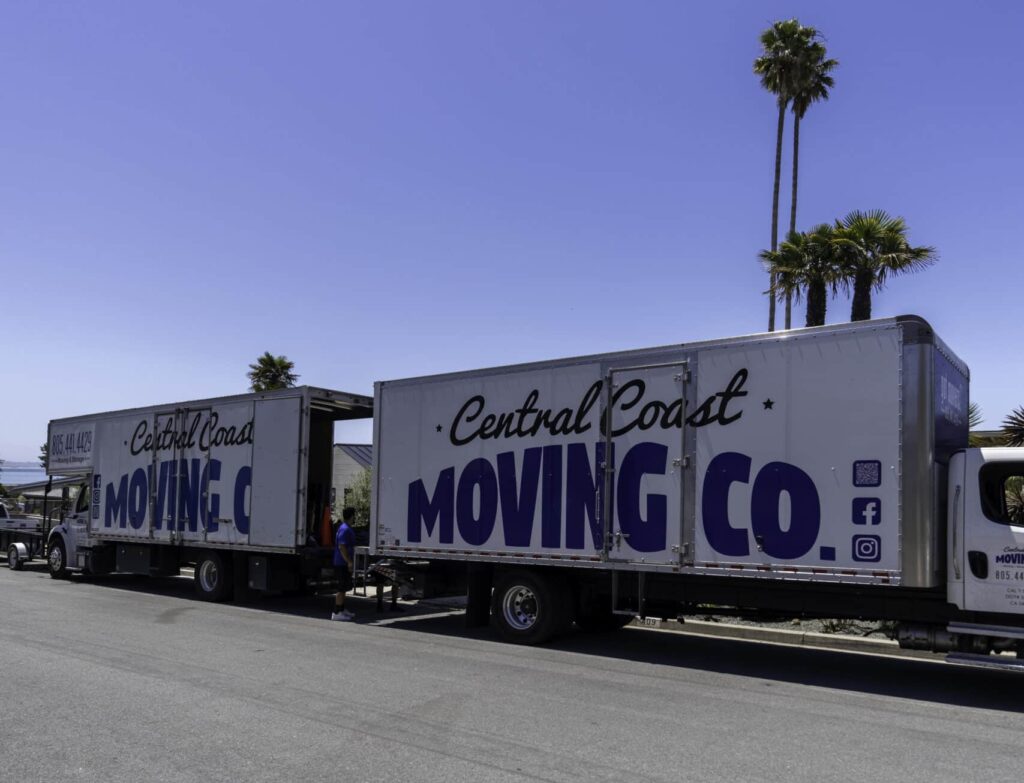
Central Coast Moving provides full service moving, packing on site, local moves, long distance moves, and storage related support across the Central Coast. The company’s site also directs readers to resources and a contact page for quotes and planning help.
That local experience matters because no two moves feel exactly the same. Packing help in Santa Maria can be valuable when you are balancing a family schedule and trying to keep the house functional until move day. Serving Atascadero and nearby areas also means understanding how quickly a simple local move can become more complicated when storage, work, and a short packing window are all in play.
The same goes for homes near the Paso Robles Event Center or older neighborhoods with tighter access points. Good supplies help, but a clear packing system matters just as much. When your space has awkward layouts or limited staging room, durable boxes and simple labels make loading day smoother.
Should You Buy Packing Supplies Yourself or Hire Professional Movers?
Buying your own packing supplies makes sense when you have time, a manageable amount of belongings, and the energy to pack carefully over several days or weeks. For many DIY movers, that route is completely reasonable.
Hiring professional movers or packers becomes more appealing when you are short on time, have a large household, own fragile or hard to replace items, or know that packing will be the task that delays everything else.
The real question is not whether you can buy packing supplies on your own. The better question is whether doing everything yourself will make the move easier, or simply add one more task to an already full plate.
A hybrid approach often works best. Buy some basics yourself, then bring in professionals for the kitchen, artwork, fragile items, or final packing day. That keeps costs more controlled while still protecting the parts of the move that tend to become stressful.
Planning for Your Next Move
So, where should you buy packing supplies?
If you need speed and convenience, big box stores and moving suppliers are usually the best answer. If you want broader selection and have time to plan, online ordering can work very well. If your main goal is to save money, free community sources can cut costs in a big way. And if you are protecting fragile or valuable belongings, specialty supplies or professional packing help are often worth it.
The best place to buy packing supplies is the place that matches your real move, not an ideal version of it. Your budget matters. Your schedule matters. Your home size matters. The types of items you own matter too.
Start with the essentials. Buy better materials for the items that need real protection. Use free sources where they make sense. And if the process starts to feel bigger than you expected, it is completely reasonable to ask for help.
Planning your next move? Get a quote with us today and see how we can help!
Frequently Asked Questions
Where is the cheapest place to buy packing supplies?
The cheapest option is often a combination of free sources and a few strategic purchases. Community groups, Facebook Marketplace, Craigslist, and box exchange programs can supply free boxes, while you buy only tape, paper, and specialty cartons new.
Where can I get moving boxes and packing supplies fast?
For speed, start with Home Depot, Lowe’s, Walmart, U Haul, or a local moving company. These options are usually best when you need supplies the same day or want to finish packing without shipping delays. Home Depot and U Haul both advertise fast fulfillment options on parts of their moving supply offerings.
Is it cheaper to buy packing supplies online?
It can be, especially if you order in bulk or compare several options before buying. But online is not always cheaper once shipping or timing issues enter the picture. For many moves, the best value comes from ordering some items online and buying the rest locally.
What packing supplies are most important?
Boxes, strong tape, packing paper, labels, and a few specialty cartons for fragile items are the most important. Bubble wrap can help, but it is not always necessary for every box. Good paper and smart use of towels or linens can often cover more than people expect.
Should I buy matching moving boxes?
Matching boxes are not required, but they do help with stacking, organizing, and loading efficiently. They become more valuable as the move gets larger. For a small move, mixed boxes are usually fine. For a bigger home or a truck packed tightly, consistency makes the process easier.


