Essential Moving Tips for a Smooth Relocation
Preparing for a move can be overwhelming, but having a solid plan can make all the difference. Start by creating a comprehensive checklist that outlines all tasks, from packing to utility transfers. This will help you stay organized and ensure that nothing is overlooked during the hectic moving process.
Additionally, consider decluttering your space before packing. Donate or sell items you no longer need, which not only lightens your load but can also save you money on moving costs. For example, hosting a garage sale or using online marketplaces can be effective ways to get rid of unwanted items while earning some extra cash.
Benefits of Professional Moving Services
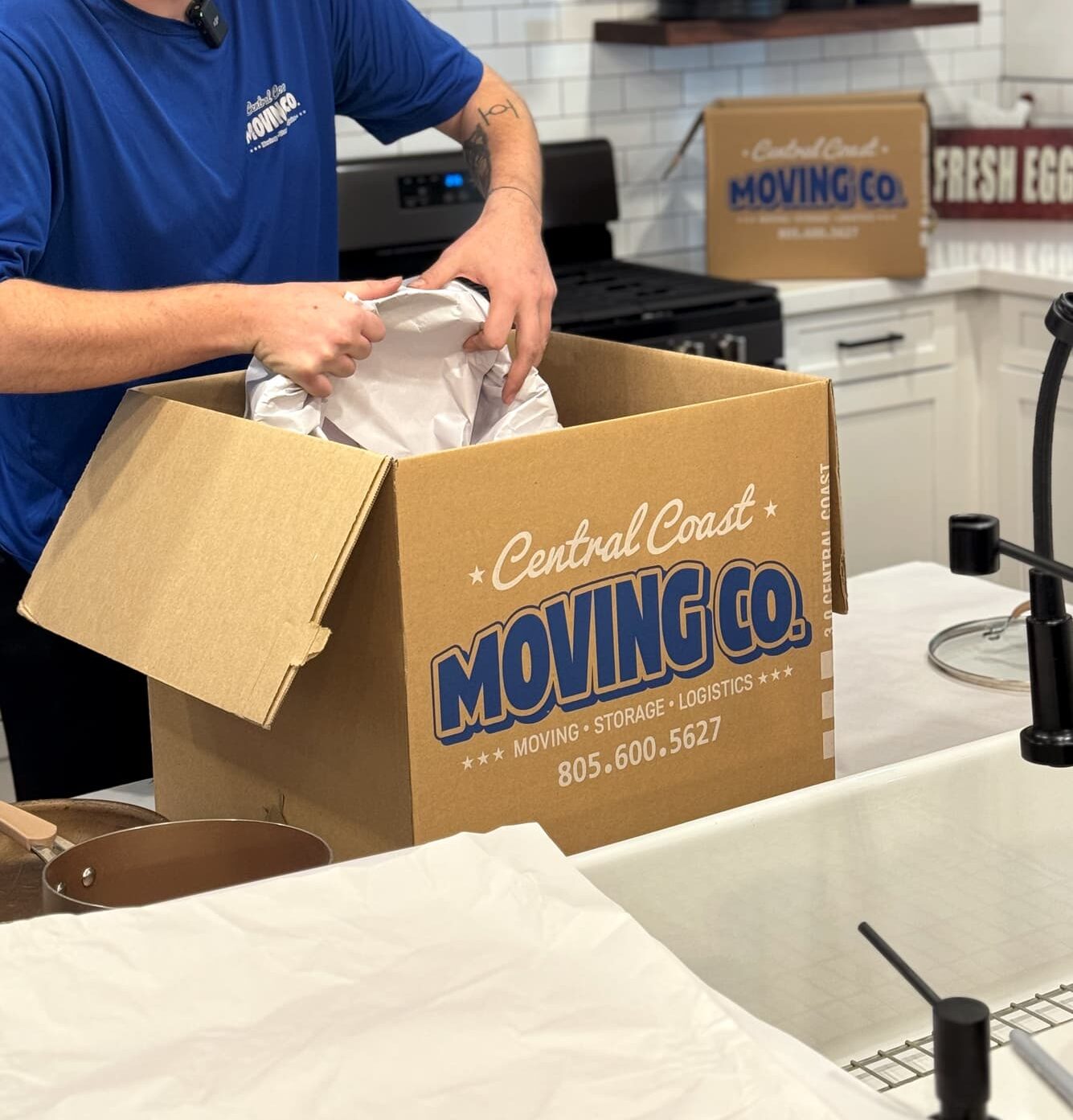
Hiring professional movers can alleviate much of the stress associated with relocating. Experienced teams are equipped with the right tools and techniques to handle heavy and fragile items, ensuring that your belongings arrive safely at your new home. This can save you time and reduce the risk of injury during the moving process.
Moreover, professional moving services often provide additional features such as packing assistance, storage solutions, and insurance options. For instance, Central Coast Moving offers secure storage facilities for clients needing temporary space for their belongings, allowing for a more flexible moving timeline.
How to Choose the Right Moving Company
Selecting the right moving company is crucial for a successful relocation. Start by researching local movers, reading reviews, and asking for recommendations from friends or family. It's important to verify that the company is licensed and insured, which protects you in case of any damages during the move.
Additionally, obtain multiple quotes to compare pricing and services offered. Don't hesitate to ask questions about their experience, equipment, and any additional fees that may apply. This due diligence will help you find a reliable moving partner that fits your budget and needs.
Creating a Moving Timeline
Establishing a moving timeline is essential for staying on track and ensuring a seamless transition. Begin by setting a moving date and working backward to outline key milestones, such as when to start packing, scheduling utility shut-offs, and notifying change of address. A well-structured timeline can help you avoid last-minute chaos.
Consider breaking down your timeline into weekly tasks, allowing you to tackle each aspect of the move without feeling overwhelmed. For example, the first week could focus on decluttering and packing non-essential items, while the final week can be dedicated to packing everyday essentials and finalizing logistics with your moving company.