
Packing can swallow your calendar whole. One minute you are sorting a closet, and the next you are surrounded by boxes, tape, and a growing sense that you will never find your phone charger again. That is exactly why a packing for moving service is so valuable. It gives you a clear plan, trained hands, the right packing supplies, and a packing process that protects your belongings from start to finish.
Many people start with good intentions, then realize the most overwhelming part of moving is not the moving truck or the loading. It is the packing. A professional packing team brings structure to the job, keeps fragile items secure, and helps you keep your valuable time for work, family, and everything else you still have to manage.
If you are comparing moving packing services, this guide walks you through what is included, how full service and partial packing services work, what packing supplies matter, what packing typically costs, and how to choose a packing company you can trust.
Ready to simplify your move? Internal link: /packing-services/ and /quote/
What a Packing for Moving Service Includes
The difference between packing services and basic moving services
Moving services usually focus on loading, transport, and unloading. Packing services focus on preparing every item so it can travel safely. Some movers offer both, while others specialize. When you hire professional packing services, you are paying for a system, not just boxes.
A packing crew handles tasks like these:
- Preparing each room so items are grouped logically
- Wrapping breakables with the right padding
- Boxing items in durable moving boxes and specialty cartons
- Labeling boxes clearly so unloading and unpacking are easier
- Keeping fragile boxes protected so they do not collapse or shift in transit
For more tips on preparing for your move, visit our moving blog.
Two Men and a Truck explains that packing services are commonly priced by the hour for local moves, similar to how local moving is priced, and that packing supplies are also available through many providers.
What professional packers handle from start to finish
A strong packing plan does not begin with tape. It begins with organization.
Professional packers typically start by walking through your home with you. They confirm what is being packed, what stays out until the last minute, and what needs special care. Then they stage packing supplies, build cartons, and work room by room.
A well run packing process usually includes:
- Sorting and grouping items so each box makes sense
- Wrapping fragile items with packing paper, bubble wrap, or protective wrap
- Using furniture pads and stretch wrap for larger pieces
- Filling empty spaces to prevent shifting during transport
- Labeling boxes with the room and general contents
This kind of structure makes a difference during unloading. When boxes are organized by room and labeled clearly, your movers can place cartons in the right space quickly. That keeps your new home more open, more usable, and more calm during the first day.
Add on options that people request most
Many packing companies offer specialized services that round out the move:
- Unpacking: Help with unpacking can reduce stress when you arrive, especially if you need to be back at your job quickly.
- Inventory support: Some crews create item lists or carton counts so you can track what was packed and where it should go.
- Storage coordination: If storage is part of your plan, packing can be staged to keep essentials accessible.
- Custom crating services: Crating helps protect items that need extra support, such as valuable artwork, large mirrors, glass tabletops, or delicate antiques.
United Van Lines highlights that professional packing and unpacking can be paired with storage services, which is useful when timing is complicated.
Why Hiring Professional Packers Makes Moving Easier
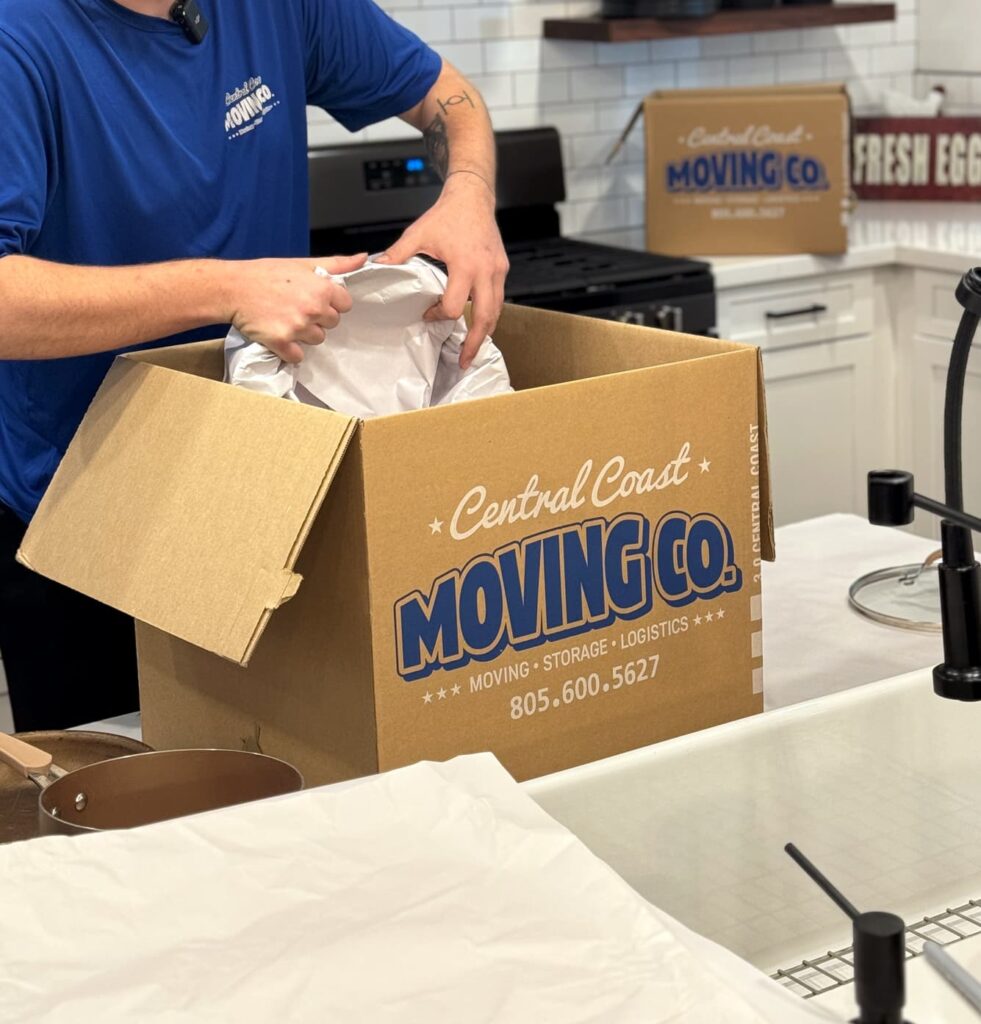
Save valuable time when your schedule is already packed
Most moves have a deadline. Lease end dates, closing timelines, school schedules, and work responsibilities do not pause because you have boxes in the hallway. Hiring professional packers saves time because a packing team can complete in hours what many households stretch across days or weeks.
Move.org notes that a three or four bedroom home often takes professional movers about seven to eight hours to pack, which gives you a practical baseline for planning.
Reduce stress with an organized packing process
A stress free move starts with a calm plan. Professional packing crews keep the work focused and organized. That helps eliminate stress because you are not constantly deciding what to do next. You are not hunting for tape. You are not second guessing whether your fragile boxes are sturdy enough.
When you have a clear packing plan, it becomes easier to:
- Track what is packed and what remains
- Keep essentials out until the last moment
- Avoid mixing rooms into the same box
- Keep walkways clear and reduce clutter
Protect fragile items and expensive belongings
Most damage happens when items shift, when cartons are overloaded, or when the wrong materials are used. Professional packers are trained to wrap, cushion, and secure items efficiently. They use the right combination of packing paper, padding, wrap, and sturdy boxes to protect fragile items.
Atlas Van Lines shares specific packing guidance for fragile items and notes that bubble wrap or packing paper can be the best choice for especially fragile objects like mirrors and decorations.
If you have valuable artwork, glass tabletops, large mirrors, or delicate electronics, professional packing can reduce the risk that something matters gets damaged.
Better organization makes unpacking faster at the destination
Unpacking tends to take longer than planned. The fastest way to make unpacking easier is to keep the packing organized. Clear labels, room based grouping, and consistent box sizes help you find what you need without opening ten cartons to locate one item.
Many moving packing services also offer inventory management, which can simplify unpacking because you have a clearer map of what went where.
Full Packing Services vs Partial Packing Services
Full packing services for an entire home
Full packing services mean the packing team packs nearly everything, typically including kitchens, closets, décor, books, garage items, and most household belongings. You choose what stays accessible until the final day, such as toiletries, medications, chargers, and a few basic tools.
Full service packing is a strong fit when:
- You have limited time
- You are preparing for a long distance move
- You have many fragile items
- You are coordinating storage and delivery schedules
- You want the packing completed quickly and professionally
A key advantage is speed. Crews work efficiently because they do this every day. They build boxes correctly, wrap items in consistent layers, and seal cartons securely so they can handle loading and transport.
Partial packing services for targeted rooms or categories
Partial packing services give you control. You choose the rooms or categories that matter most, and you pack the rest. Many customers choose partial packing for the areas that take the most time or require the most care.
Common partial packing choices include:
- Kitchen packing, including dishes and glassware
- Fragile items and décor
- Closets and wardrobes
- Home office and electronics
- Garage or storage spaces
Two Men and a Truck notes that trained professional packers can help with as much or as little of the packing and unpacking as you need.
Partial packing also helps keep the move affordable because you can reserve professional help for the most time consuming rooms.
Single item packing for high value belongings
Sometimes you only need help with one category of item. Single item packing services can be a great fit for:
- Valuable artwork
- Oversized mirrors
- Glass tabletops
- Sensitive electronics
- Specialty furniture with delicate surfaces
When an item needs extra protection, custom crating services can add rigidity and impact resistance that a standard carton cannot match.
Customized Packing Services and Specialized Services
Customized packing services built around your schedule and budget
Customized packing services start with a simple question: what do you want help with?
Some customers want a full pack. Others want a packing crew for a few hours to handle the kitchen and fragile items. You can also request packing support for a specific day so everything is ready for loading.
A customized plan can include:
- A packing crew for an hourly rate
- A set of supplies delivered in advance
- A partial pack focused on high risk rooms
- Packing support paired with storage and staged delivery
This flexibility is especially helpful if you are balancing money and time. You can invest in professional packing where it saves the most effort.
Custom crating services for fragile or specialty items
Crating is one of the most valuable specialized services for items that cannot flex, fold, or compress. A custom crate supports an object on all sides and reduces movement. It is a smart choice for fragile items and valuable possessions that require extra protection.
Crating is often used for:
- Valuable artwork and framed pieces
- Large mirrors
- Glass tabletops
- Antiques
- High value electronics
If you are unsure whether crating is necessary, ask your packers what they recommend and what the cost difference is. A careful plan here can prevent expensive damage later.
Packing and moving support for long distance moves
Long distance moves tend to involve longer time frames and more handling. Items may spend more time in a container or moving truck. They may be transferred or stored. That makes the packing process even more important.
Interstate moves also affect pricing. Move.org notes that long distance moving companies often use flat rate pricing for packing charges, while local moves often charge by the hour.
For long distance moves, professional packing often includes tighter wrapping, stronger cartons, and a heavier focus on box integrity and stacking.
Packing with storage in the plan
Storage can be part of a move for many reasons. You might be waiting on a closing date, remodeling, downsizing, or moving in stages. Packing for storage benefits from a strategy that keeps certain items accessible and others deeply protected.
A strong storage packing plan includes:
- Clear carton labels that include priority level
- A separate essentials set that stays with you
- Strong cartons for heavier items
- Protective wrap for furniture and delicate surfaces
- An inventory list for quick reference later
United Van Lines promotes packing, unpacking, and storage services as part of a full suite of options, which highlights how common this combined approach is.
Packing Supplies Pros Use and Why They Matter
Professional packing is only as good as the materials used. Quality packing supplies protect your belongings, keep cartons stable during loading, and reduce crushed corners and shifting contents.
The core supplies used in professional packing
Most packing companies rely on a standard toolkit:
- Durable moving boxes: Small, medium, large, plus specialty cartons
- Packing paper: Often called newsprint, used to wrap items and fill gaps
- Bubble wrap: Used for fragile items that need cushioning
- Packing tape: Used to seal cartons securely
- Protective wrap and stretch wrap: Keeps items bundled and protects surfaces
- Furniture pads: Help prevent scratches and dents on larger pieces
Atlas Van Lines Canada lists staples like sturdy boxes, bubble wrap or packing paper, permanent markers, and packing tape as core supplies for packing like a pro.
Tools that make the packing process safer and faster
A few simple tools keep the job efficient:
- Permanent markers: Clear labeling helps the entire move stay organized
- Box cutter: Useful for unpacking, best used with care
- Labels or color codes: Helps boxes get to the right room quickly
- Plastic baggies: Great for screws, remote controls, and small parts
Packing rules that prevent damage and injuries
Professionals follow a few consistent guidelines:
- Use small boxes for heavy items and large boxes for light items
- Keep heavy boxes under 50 pounds to reduce injury and prevent carton failure
- Fill empty spaces so contents do not shift
- Seal boxes thoroughly so bottoms do not give out during loading
- Keep fragile items wrapped and snug, with padding between pieces
If you are packing yourself, these principles will still help your move run smoothly.
Packing Tips That Keep Your Move Efficient

Even if you hire professional packing services, a few practical steps can make the process faster, cleaner, and easier on moving day.
Internal link: /packing-guides/
Start early and declutter first
Decluttering saves money when pricing is influenced by volume or weight. It also makes packing more organized because each box has a purpose.
Use a simple system:
- Keep
- Donate
- Trash
Do not overthink it. If you have not used something in a long time and it does not fit your new space, it may not be worth moving.
Labeling that speeds up unloading and unpacking
Clear labels are one of the best packing tips because they improve the entire move. Label at least three sides of every box with:
- Destination room
- General contents
- Fragile note when needed
Add a color code by room if you want the fastest unloading. For example, a red dot for kitchen, a blue dot for primary bedroom, a green dot for living room. When the movers arrive, the system becomes obvious, and boxes get placed correctly with less confusion.
Smart padding methods that protect fragile items
Not every fragile item needs bubble wrap. Towels, blankets, and clothing can work as padding when used thoughtfully. This approach can also help you reduce packing supplies while still keeping fragile items secure.
For truly delicate pieces, bubble wrap and packing paper are still the safest choice. Atlas Van Lines notes that bubble wrap or packing paper can be the best option for especially fragile items, including mirrors.
Pack a first night box with essentials
A first night box saves you from tearing through cartons when you arrive. Pack essentials such as:
- Toiletries and medications
- Phone chargers
- Basic tools like a screwdriver and scissors
- A change of clothes
- Snacks and water
- Paper towels and trash bags
Keep it with you, not on the moving truck.
Keep the packing area clean and workable
Clutter slows everything down. Keep a small staging space in each room. As items are packed, move sealed boxes to one side so walkways stay clear. This helps your packers and movers stay efficient and safe.
How Much Moving Packing Services Cost
Pricing is one of the first questions people ask, and it should be. The cost of packing depends on the size of the job, the packing supplies needed, the number of packers, and the level of specialized services you choose.
Typical hourly rate ranges and what they mean
Many local packing services charge by the hour. Extra Space Storage reports that professional packing services often cost about $60 to $80 per hour per packer on average, with variation based on location and scope.
Some sources also cite broader ranges. Your final price can change based on supply needs, home size, and how much packing you outsource.
Move.org provides helpful context on timelines, noting that a three or four bedroom home may take about seven to eight hours to pack, plus the cost of packing materials.
Hourly versus flat rate packing
Pricing structure often follows move type:
- Local moves: Often hourly packing rates, similar to hourly moving rates
- Long distance moves: Often flat rate pricing for packing charges
Flat rate packing can be more expensive because it bundles labor and supplies into a base price and accounts for complexity.
What drives packing cost up or down
Several factors influence cost:
- Size of the home and number of rooms
- Volume of belongings and number of cartons
- Specialty cartons for dishes, wardrobes, or artwork
- Custom crating services for fragile or high value items
- Access issues like stairs, long carries, or tight parking
- Timing, scheduling, and the need for storage coordination
- Long distance considerations such as fuel costs and delivery timelines
A packing plan that is organized and clear can keep costs more predictable.
How to keep packing affordable without sacrificing protection
You have options that balance budget and support:
- Choose partial packing services for the most time heavy rooms
- Pack low risk items yourself, such as linens and clothing
- Let professional packers handle fragile items and specialty pieces
- Declutter first so you are not paying to pack what you will not keep
Callout: Request a Packing Quote
If you want a clear estimate based on your home, timeline, and packing needs, request a quote. Internal link: /quote/
What to Expect on Packing Day
A smooth packing day follows a rhythm. When you know what to expect, you can plan your schedule, prepare your space, and feel more in control.
How packing crews set up and move through your home
A packing crew usually begins by staging supplies in a central space. They build boxes, set up packing paper and wrap stations, and confirm the plan with you.
Most crews work room by room, starting with areas that can be packed early, such as décor, books, and spare rooms. Kitchens and bathrooms often happen later because you may still need daily essentials.
You can assist by:
- Setting aside items you are taking with you personally
- Pointing out fragile or high value belongings
- Keeping pets in a separate room
- Keeping walkways clear
How boxes are prepared for loading and transport
Professional packers focus on stability. Boxes are sealed securely, labeled clearly, and stacked in a way that supports efficient loading. Fragile boxes are marked and placed where they can be protected. Furniture pads and wrap help prevent scratches and dents.
When the packing process is done well, loading becomes easier. Movers can place boxes efficiently in the moving truck, reduce shifting, and keep the job organized.
Optional unpacking support at the destination
Unpacking can take longer than expected, especially when you are tired from moving day. Professional packers can also assist with unpacking, which helps you settle faster, especially if you need to return to work quickly.
United Van Lines promotes both packing and unpacking services, which reflects how common it is to pair these services for a smoother move.
How to Choose the Right Packing Company
Packing is personal. These teams handle your belongings, your home, and your schedule. Choosing the right packing companies comes down to trust, clarity, and proven processes.
Questions to ask before you hire
Use these questions to compare providers:
- Do you offer full packing services and partial packing services?
- Are packing supplies included, or billed separately?
- What training do your professional packers receive?
- Do you offer customized packing services for specialty items?
- Do you provide custom crating services for artwork, mirrors, or glass?
- How do you label, organize, and track cartons?
- Can you coordinate packing and moving with storage if needed?
- How do you handle damage claims and customer satisfaction concerns?
- Is pricing hourly rate based or flat rate based for my move type?
Signs of a professional packing crew
Look for signs of professionalism during your estimate and communication:
- Clear explanations of the packing process
- Organized planning and straightforward pricing
- Careful handling of fragile items
- Efficient workflow without rushing through details
- A clean approach that respects your home
Comparing local teams to national networks
Some people compare local providers with larger names such as United Van Lines. National networks can offer broad coverage and a long menu of services, including packing and storage.
Your best choice depends on what matters most to you. Clear communication, careful packing, reliable scheduling, and a team that takes ownership of the details are the real markers of quality.
Where We Work
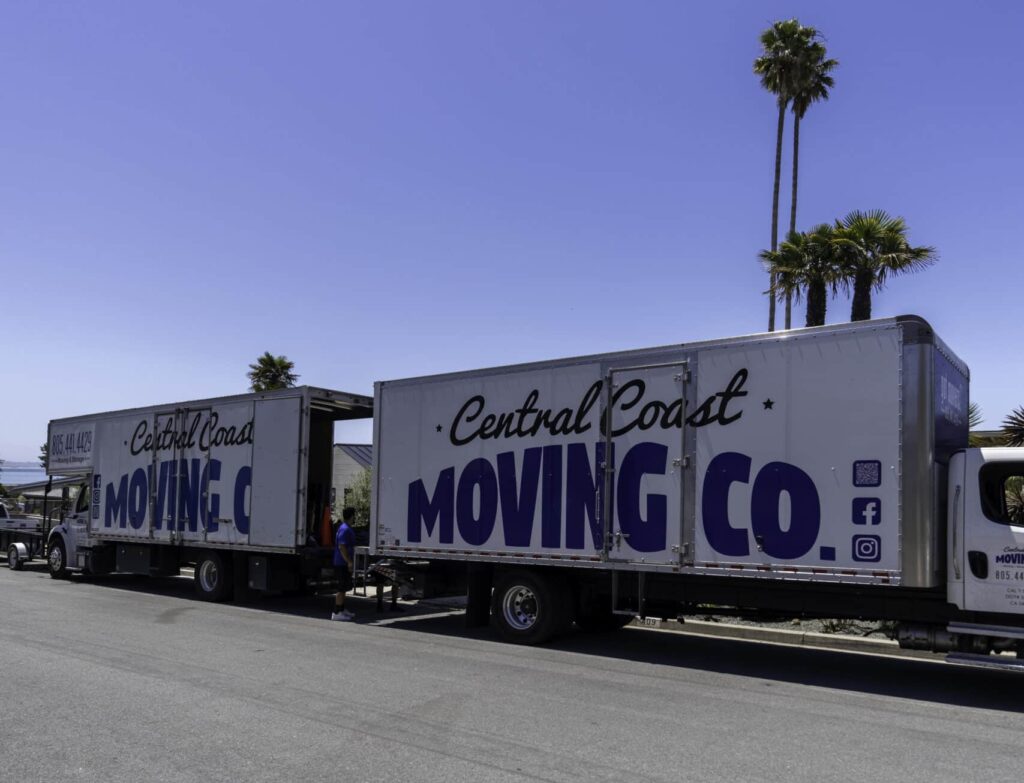
Moving plans often start with a simple question: who can help in our area and do it well?
- packing for moving service in San Luis Obispo for homeowners and renters who want their belongings packed carefully and efficiently
- Serving Downtown San Luis Obispo and nearby areas when timing is tight and packing needs to stay organized
- Homes near Cal Poly often need fast, efficient packing help on tight timelines because schedules fill quickly during peak seasons
- moving packing services in Arroyo Grande for families, downsizers, and anyone who wants a smoother move day from the first box to the final delivery
What Professional Packing Looks Like for Central Coast Homes
Hiring packers isn’t just about saving time, it changes how a move actually unfolds, especially for the kinds of homes and schedules common in this area.
A pre-move walkthrough catches what a DIY pack misses. Before packing day, we walk through the home to identify what needs special handling, whether that’s a wine collection in a Paso Robles house or delicate antiques in an older Santa Maria property. That walkthrough shapes the packing plan instead of figuring it out box by box on the day of.
Room-by-room labeling saves real time on the other end. Professional packers organize and label by room and contents as they go, which matters more on longer moves out of the area where boxes might sit in storage or a truck for a few days before unloading. Knowing what’s in a box without opening it makes unpacking in a new home dramatically faster.
Packing around harvest season timing takes planning. For Paso Robles households moving during or around harvest season, professional packing crews can work around a homeowner’s schedule when things get busy locally with wine industry work, rather than requiring the homeowner to carve out a weekend they don’t have.
Fragile and awkward items get handled differently than everyday boxes. Mirrors, artwork, and irregularly shaped furniture common in both wine country homes and older Santa Maria properties need custom boxing or crating that most people don’t have the materials or experience to do well. This is where professional packing prevents the kind of damage that shows up after the truck’s already gone.
Full or partial packing fits different households. Some homeowners want everything handled, others just want help with the kitchen or garage while they manage the rest themselves. Professional packing scales to what actually makes sense, rather than an all-or-nothing service.
Packing day sets up the whole move to go faster. A well-packed home loads onto the truck faster and more efficiently, which matters directly for hourly-rate local moves. Time spent packing well ahead of time often pays for itself in reduced loading time on move day.
Every packing job comes with the same $1 million in goods coverage as the rest of the move, backed by a crew that’s been packing homes across this region since 2015.
Frequently Asked Questions About Packing for Moving Service
How long does professional packing take?
Every move is different, but a useful baseline is that a three or four bedroom home may take about seven to eight hours for professional movers to pack, plus time for supplies and planning.
Do I need to buy packing supplies?
Often, professional packing services can provide packing supplies, including moving boxes, packing tape, bubble wrap, and protective materials. Two Men and a Truck notes that packing supplies are available and that packing rates and supply costs vary by location and provider.
Can movers pack everything for me?
Yes. Full packing services are designed to pack nearly all household items, with a plan for essentials that you keep accessible until the end.
Can you pack fragile items like mirrors, glass tabletops, and artwork?
Yes, and this is where professional packing helps most. Bubble wrap, packing paper, padding, and custom crating services can protect fragile items like large mirrors and valuable artwork. Atlas guidance notes bubble wrap and packing paper are often best for especially fragile pieces.
How does packing work with storage or long distance delivery?
Long distance moves and storage plans often require stronger packing and a clear inventory plan. Flat rate pricing is also more common for long distance packing charges, according to Move.org.
Is unpacking worth it?
Unpacking support is helpful when your schedule is tight, when you are coordinating work and family responsibilities, or when you want your home functional quickly. Many providers offer unpacking as part of professional packing services.
Ready for a Stress Free Move?
A successful move starts with a packing plan that protects your belongings and keeps the process organized. Professional packing services help eliminate stress, save valuable time, and reduce the risk that fragile items get damaged during loading and transport.
If you want full service help, partial packing services, or specialty support like custom crating, our team can help you build the right plan.


