
Office furniture relocations involve complex logistics and can risk operational disruption. Understanding what to expect from professional commercial moving services reduces that risk. This guide outlines planning, costs, best practices and movers’ responsibilities, providing a practical framework to plan and execute an office move with minimal downtime and an orderly transition to the new workspace.
Key Takeaways
- Professional movers provide comprehensive solutions for seamless office relocations, including planning and logistics management.
- Effective planning requires assessing office space and creating a detailed relocation checklist.
- Understanding moving costs helps businesses budget effectively and identify potential savings.
- Professional movers handle furniture disassembly and reassembly to prevent damage.
- Proper packing and transportation techniques ensure safe office furniture moving.
- Insurance and liability considerations are crucial for protecting assets during office moves.
- Localized moving tips enhance office relocations in specific regions like California and Arizona.
What to Expect from Professional Commercial Moving Services
Professional commercial moving firms deliver end-to-end services: pre-move planning, project management, packing, transportation and unpacking. They assess office layouts and inventories to produce a tailored moving plan. This approach ensures desks, fixtures and sensitive equipment are handled with appropriate care and efficiency.
Specialised tools and experienced crews coordinate timing and logistics to minimize disruption to business operations. Engaging qualified movers enables staff to maintain productivity while the provider manages the operational details of the relocation.
Expect a formal proposal that specifies scope, schedule, crew size, vehicle requirements, materials and insurance options. A reputable mover will assign a single point of contact (a move coordinator) who monitors milestones, answers queries and manages on-site decisions. The proposal should document contingencies for common issues such as elevator access, restricted loading zones and last-minute inventory changes.
Planning and Logistics
Successful office moves start with a site assessment and a complete inventory. That assessment informs a detailed relocation checklist that documents each task and requirement for the move.
- Initial Assessment: Evaluate the current office layout and inventory to determine what needs to be moved.
- Detailed Relocation Checklist: Create a comprehensive list of tasks, including packing, transportation, and unpacking.
- Timeline Management: Establish a timeline for each phase of the move to ensure everything is completed on schedule.
These steps ensure comprehensive coverage of the move and reduce the likelihood of unexpected issues.
Practical planning steps include mapping current workstations and assigning destination locations, measuring doorways and elevators, and identifying items that require special handling (for example, heavy conference tables, modular workstations or fragile cabinets). Record asset tags and serial numbers to reconcile pre- and post-move inventories.
Establish staging zones at origin and destination: a packing area away from staff traffic, a loading zone for trucks and a receiving zone where movers place items by department. Staging reduces handling time and limits disruption to active staff.
Best Practices for a Smooth Transition
Adopting established best practices—particularly clear communication between stakeholders and the mover—reduces confusion and streamlines execution.
- Clear Communication: Keep all stakeholders informed about the moving timeline and responsibilities.
- Assign Roles: Designate specific team members to oversee different aspects of the move, such as packing and logistics.
- Utilize Professional Movers: Engage experienced movers to handle the heavy lifting and logistics, allowing your team to focus on their core responsibilities.
Implementing these measures minimizes disruption and supports an efficient relocation.
Our expertise in office relocations supports rapid setup; the company’s trained team manages packing through unpacking to ensure timely workplace readiness.
Additional best practices include creating a communications calendar for internal updates, preparing an emergency contact list for move day and holding a pre‑move walkthrough with department heads and the moving coordinator to confirm expectations. Provide staff with packing guidelines and timelines so personal or non‑essential items are handled in an orderly manner.
What Are the Key Steps in Planning an Office Furniture Move?
A successful office furniture move follows defined steps, including:
- Pre-Move Assessments: Conduct a thorough evaluation of the current office space and inventory.
- Logistics Coordination: Develop a detailed plan that outlines the moving process, including timelines and responsibilities.
- Employee Communication Strategies: Keep employees informed about the move and their roles in the process.
Adherence to these steps creates a structured approach that reduces stress and supports a smooth transition.
Divide the process into weekly tasks during the two to three months before the move. Early stages involve vendor selection, measuring pathways and deciding what will be removed or replaced. Mid‑phase work focuses on packing non‑essential items and finalising schedules. In the final week, confirm the mover’s arrival time, elevator reservations and IT cutover plans to minimize downtime on move day.
How to Create an Effective Office Moving Checklist for Corporate Relocation
An effective checklist maintains organisation throughout the relocation. Core components include:
- Define Your Moving Plan: Outline the overall strategy for the move, including timelines and responsibilities.
- Schedule an Assessment: Arrange for a professional assessment of your current office space and inventory.
- Build an Inventory: Create a detailed inventory of all items to be moved, ensuring nothing is overlooked.
A well‑maintained checklist keeps the moving process on schedule and ensures required tasks are completed.
A sample checklist might include: confirming contractual terms with the mover, ordering packing supplies, scheduling equipment shutdown and IT migration windows, labelling boxes by department and room, arranging utilities and building access at the new site, and scheduling a post‑move inspection. Use digital tools or shared documents so multiple stakeholders can update progress in real time.
What Timeline Should You Follow for a Smooth Office Move?
A clear timeline ensures tasks are completed on schedule. A typical office moving timeline may include:
- Planning Phase: 2-3 months before the move, begin planning and organizing.
- Execution Timeline: 1 month before the move, finalize logistics and packing.
- Post-Move Follow-Up: 1-2 weeks after the move, conduct a follow-up to address any outstanding issues.
Adhering to a structured timeline helps ensure the move is executed smoothly and efficiently.
For larger or multi‑site moves, extend the timeline: start stakeholder alignment and vendor selection earlier, allow more time for phased moves and schedule dry runs for IT or equipment‑heavy teams. For smaller moves, compress the timeline while retaining key checkpoints: inventory, packing, equipment shutdown and final walkthroughs. Always include contingency buffers for weather, permitting delays or unexpected site restrictions.
How Do Professional Office Relocation Companies Handle Furniture Disassembly and Reassembly?

Professional office relocation companies are trained in furniture disassembly and reassembly. The process generally includes:
- Initial Assessment: Evaluating the furniture to determine the best disassembly method.
- Disassembly Process: Carefully taking apart furniture to ensure it is not damaged during transport.
- Reassembly Process: Reassembling furniture in the new office space, ensuring everything is set up correctly.
That expertise minimizes the risk of damage and ensures furniture is reassembled safely and efficiently.
Movers typically tag or bag small parts and fasteners and maintain a parts inventory for each disassembled item. This practice expedites reassembly and reduces the risk of missing components. For modular systems or branded furniture, crews often follow manufacturer guidelines and document the process to preserve warranty conditions.
What Are the Best Practices for Office Furniture Disassembly and Packing?
Adhering to established procedures for disassembly and packing protects items during transit. Key practices include:
- Assessment and Planning: Evaluate each piece of furniture to determine the best disassembly method.
- Packing Strategies: Use appropriate packing materials to protect furniture during transport.
- Transportation Considerations: Ensure that furniture is loaded securely to prevent damage during transit.
Adherence to these practices reduces the risk of damage to office furniture during the move.
Specific packing recommendations: wrap legs and edges with corner protectors; use moving blankets or foam to prevent surface scratches; secure loose drawers and detachable elements with tape or straps. For glass surfaces, apply double‑layer protection and use custom crates when necessary. Label each package with destination room, contents and handling notes (for example, “fragile” or “upright only”).
How Is Furniture Reassembled to Ensure Safety and Functionality?
Correct reassembly is essential to ensure safety and functionality in the new office. The process typically includes:
- Initial Assessment: Reviewing the disassembled pieces to ensure all components are present.
- Reassembly Process: Following the original assembly instructions to ensure everything is put back together correctly.
- Final Walkthrough: Conducting a final check to ensure that all furniture is stable and functional.
This method helps prevent accidents and prepares the office for immediate use after the move.
Post‑reassembly checks should include testing adjustable desks and chairs, verifying cable management and power access, and confirming that anchors and fasteners are tightened to specification. Coordinate with IT to test connectivity and peripherals before staff return.
What Transportation and Handling Measures Ensure Safe Office Furniture Moving?
Appropriate transport and handling measures protect office furniture during a move. Key measures include:
- Protective Materials: Using blankets, bubble wrap, and other protective materials to safeguard furniture during transport.
- Handling Techniques: Employing proper lifting techniques to prevent injury and damage.
- Safety Protocols: Following established safety protocols to ensure a secure moving process.
Implementing these measures helps preserve assets and supports a smooth relocation.
Operational measures include confirming truck load plans so heavy items are secured and lighter fragile items are not crushed; using straps and blocking to prevent shifting; and staging items at the destination in the order they will be unpacked. Movers should use protective floor coverings and door‑jamb guards in both buildings to prevent property damage during transit.
How Do Movers Protect Office Furniture During Transport?
Movers apply multiple protective methods to safeguard furniture during a move. These methods include:
- Packing Supplies: Using high-quality packing materials to cushion and protect items.
- Safe Lifting Techniques: Training movers in proper lifting techniques to prevent damage and injury.
- Loading Sequence Coordination: Carefully planning the loading sequence to minimize movement during transport.
These precautions help ensure that office furniture arrives at the new location in excellent condition.
When transporting specialised items—such as server racks, AV equipment or items with fragile finishes—request custom crating or palletisation. For multi‑day transports, confirm secure overnight parking and storage arrangements so items remain protected until final delivery.
What Storage Solutions Are Available for Office Furniture During a Move?
Office moves often require storage solutions. Available options include:
- Short-Term Storage: Temporary storage solutions for items that cannot be moved immediately.
- Long-Term Storage: Options for businesses that need to store furniture for an extended period.
- Portable Storage Solutions: Convenient storage units that can be delivered to the office location.
Evaluating these storage options enables businesses to select the most appropriate solution during the move.
Decide on storage based on access needs, security, climate control and retrieval speed. Short‑term storage is useful for staging during phased moves; long‑term facilities suit surplus furniture awaiting redeployment or disposal. Portable units reduce double handling when on‑site staging space is limited.
How to Choose Between Short-Term and Long-Term Storage Options?
The choice between short‑term and long‑term storage depends on business needs. Consider:
- Use Cases for Short-Term Storage: Ideal for businesses that need temporary storage during the transition.
- Use Cases for Long-Term Storage: Suitable for companies that require extended storage solutions for excess furniture.
- Considerations for Businesses: Evaluate the costs, accessibility, and security of storage options.
Careful assessment of costs, accessibility and security supports an informed decision about storage requirements during a move.
When evaluating facilities, confirm hours of access, inventory tracking procedures, security measures (for example, cameras and access control) and insurance coverage. Check for additional fees for retrieval or re‑delivery so these can be included in the overall moving budget.
What Are the Benefits of Climate-Controlled Storage for Office Furniture?
Climate‑controlled storage protects furniture from environmental damage during a move. Benefits include:
- Temperature Regulation: Maintaining a consistent temperature to prevent damage to sensitive items.
- Humidity Control: Reducing humidity levels to protect wooden furniture from warping and mold.
- Protection from Environmental Factors: Shielding furniture from dust, pests, and other environmental hazards.
Using climate‑controlled storage helps ensure that office furniture remains in excellent condition throughout the moving process.
Select climate‑controlled storage for high‑value wood, leather or technology‑laden furniture and when storage will exceed a few weeks. Request facility specifications to confirm they meet the required temperature and humidity thresholds.
What Insurance and Liability Options Should You Consider for Office Moves?
Insurance and liability are essential considerations when planning an office move. Key considerations include:
- Types of Coverage: Understanding the different types of insurance available for office moves.
- Important Considerations: Evaluating the value of items being moved and the level of coverage needed.
- Potential Risks Involved: Identifying potential risks and ensuring adequate protection against loss or damage.
Careful assessment of coverage helps protect business assets during the moving process.
Ask movers to explain valuation options and what is included in standard liability versus optional full‑value protection. Photograph high‑value assets and record serial numbers; retain receipts or appraisals where available. If necessary, consult your commercial property insurer to confirm whether transit is covered or whether supplementary coverage is required.
Understanding how moving companies address liability and valuation is essential for accurately assessing coverage requirements.
How to Assess Liability and Risk During Office Relocation?
Assessing liability and risk during an office relocation requires deliberate steps. These include:
- Confirm Insurance Coverage: Ensure that the moving company has adequate insurance to cover potential damages.
- Evaluate Moving Company Credentials: Research the moving company’s reputation and track record.
- Request Written Estimates: Obtain detailed estimates to understand the scope of services and associated risks.
Following these steps helps mitigate risk and contributes to a secure relocation.
Additional due diligence: request references for similar commercial relocations, confirm licensing and relevant industry certifications, and verify that the mover carries workers’ compensation insurance for crew members. Keep a condition report of pre‑existing damage so post‑move claims are clearly documented.
How Can Localized Moving Tips Enhance Your Office Move in California?
Localized guidance offers practical benefits for moves in California and Arizona. Key tips include:
- Detailed Planning: Consider local regulations and logistics when planning the move.
- Employee Involvement: Engage employees in the planning process to ensure a smooth transition.
- Professional Assistance: Utilize local moving companies with expertise in the area to streamline the process.
Applying these localized tips improves outcomes and helps ensure compliance with regional requirements.
Consider regional building regulations, permits for curbside parking or loading, and seasonal constraints such as summer heat precautions in Arizona. Local movers are familiar with municipal rules and site constraints, which reduces the risk of unexpected delays.
What Are Expert Furniture Moving Tips to Ensure a Successful Office Relocation?
Expert furniture moving tips assist businesses in managing relocation complexities. Key recommendations include:
- Preparation Strategies: Begin preparations well in advance to avoid last-minute stress.
- Common Challenges: Be aware of potential challenges, such as tight timelines and unexpected issues.
- Overcoming Obstacles: Develop contingency plans to address any obstacles that may arise during the move.
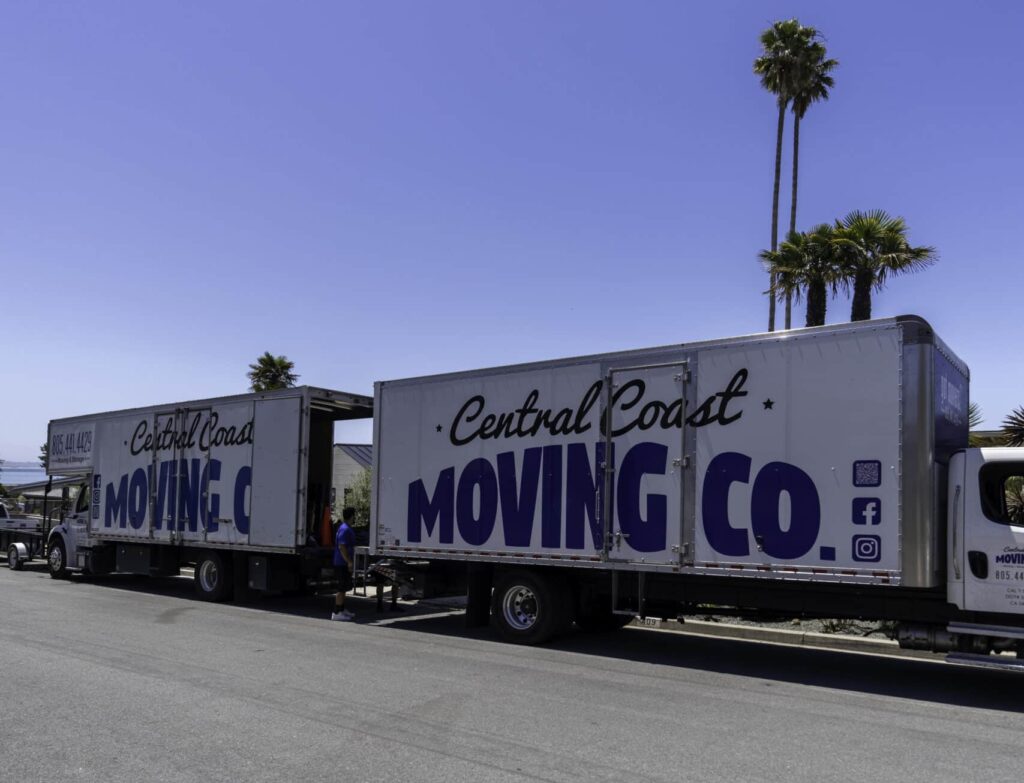
To streamline your relocation, obtain a quote from Central Coast Moving; their expertise can help minimise operational disruption.
Additional expert tips: consolidate or purge outdated furniture and equipment prior to the move to reduce costs; label cables and connectors to simplify IT reconnection; and schedule a soft opening so a small group can test workflows before full occupancy. Maintain a post‑move feedback loop to capture lessons learned and improve future relocations.
Commercial Moves Across the Central Coast Business Community
Office and commercial moves come with logistics that residential moves simply don’t, and the Central Coast’s mix of downtown storefronts, business parks, and wine industry offices each bring their own wrinkles.
Downtown loading access is tighter than it looks. Historic downtown Paso Robles and the commercial stretches of Broadway and Main Street in Santa Maria weren’t built with modern moving trucks in mind. Limited loading zones, metered parking, and narrow alleys mean commercial moves in these areas often need a permit or a specific time window, something worth sorting out well before move day rather than discovering it with a truck idling outside.
After-hours and weekend moves keep businesses running. A lot of local offices, especially in the tasting rooms and hospitality businesses that make up so much of the Paso Robles economy, can’t afford weekday downtime. We schedule commercial furniture moves around business hours, including evenings and weekends, so a business can close on a Friday and reopen Monday without missing a beat.
Business parks near the Santa Maria airport and Highway 101 corridor have their own layout challenges. Many local office parks and industrial spaces have loading docks designed for freight, not household movers, along with elevator or single-entry restrictions in multi-tenant buildings. Knowing which buildings need advance coordination with property management saves real time on the day of the move.
Office furniture disassembly needs to match what’s actually in the building. Modular cubicle systems, conference tables, and built-in reception furniture common in local professional offices often require partial disassembly to get through doorways and elevators without damage, then precise reassembly on the other end so the new space is functional on day one.
Local wineries and hospitality businesses have unique commercial needs. Moving a tasting room, relocating an office attached to a winery, or expanding a hospitality business into a new space involves furniture and fixtures that don’t fit a standard office move, and that’s a category of relocation we see often in this region.
Every commercial move is handled with the same $1 million in goods coverage and licensed, insured crew that’s been serving local businesses since 2015, so companies can trust their office move gets treated with the same care as their day-to-day operations.
Frequently Asked Questions
What are the key factors to consider when planning an office move?
When planning an office move, consider the size and layout of the current and new spaces and the specific needs of employees. Develop a detailed timeline covering initial assessments through post‑move follow‑ups. Assess logistics for equipment, including IT infrastructure, and establish a clear communication plan to keep stakeholders informed throughout the process.
How can I effectively communicate the office move to my employees?
Effective communication requires transparency and regular updates. Explain the reasons for the move and its benefits. Use multiple channels—email, meetings and internal newsletters—to share timelines, roles and expectations. Invite feedback and questions and hold a pre‑move meeting to review logistics and packing guidelines so staff feel informed.
What should I do with office furniture that I no longer need?
For furniture no longer required, consider donating, selling or recycling items. Charities often accept donations and may offer tax benefits. Use online marketplaces or local classifieds to sell items. If beyond repair, consult local recycling centres for proper disposal. These options reduce move volume, support sustainability and can offset costs.
How can I ensure my IT equipment is safely moved?
To relocate IT equipment safely, create an inventory of devices and configurations. Coordinate disconnection and reconnection with the IT team and schedule downtime to minimise disruption. Use anti‑static bubble wrap and sturdy boxes to protect devices. Consider specialised IT movers for high‑value or complex equipment to ensure correct setup at the new site.
What are the advantages of using climate-controlled storage for office furniture?
Climate‑controlled storage offers significant advantages for items sensitive to temperature and humidity. It helps prevent warping, mould and other damage, and is particularly beneficial for wooden furniture, electronics and artwork. A stable environment preserves assets until they are ready for relocation.
What steps should I take if my moving company is unresponsive during the process?
If a moving company becomes unresponsive, contact them through multiple channels—phone, email and customer portals—and document all attempts. Review your contract for escalation procedures or management contacts. If necessary, contact industry regulators or consumer protection agencies. Detailed communication records will aid any complaint or resolution process.
How can I prepare my new office space before the move?
Prepare the new office by conducting a thorough walkthrough to assess layout and identify required modifications such as painting or repairs. Ensure utilities, internet and phone lines are installed and functioning. Produce a detailed floor plan that designates furniture and equipment locations to facilitate a smooth transition.
What should I look for when choosing a professional moving company?
Assess a mover’s experience, reputation and customer feedback. Verify licensing and insurance. Request itemised estimates outlining services and costs, and confirm specific experience with office relocations. Evaluate communication, responsiveness and availability of complementary services such as packing and storage.
When vetting vendors, request case studies or references for similar‑sized moves, clarify escalation procedures for on‑site issues and verify dispute resolution processes. A reliable mover will provide clear contact points and a written plan for move‑day operations.
How can I minimize downtime during an office move?
Plan well in advance and produce a detailed timeline covering packing through setup. Communicate roles and responsibilities to staff. Schedule the move during off‑peak hours or weekends where feasible. Engaging professional movers allows your team to maintain core operations while experts manage logistics.
Coordinate with IT to schedule cutover windows and test applications before staff return. For critical teams, consider phased moves where a portion relocates first to verify functionality before the remainder moves.
What items should I prioritize when packing for an office move?
Prioritise items essential to daily operations: critical documents, sensitive equipment and frequently used supplies. Label boxes with contents and destination. Pack infrequently used items later and secure fragile items with appropriate materials to support efficient setup.
Create a day‑one priority list that includes phones, basic IT infrastructure, key reference documents and essential office supplies. Keep a small kit with tools and hardware for reassembly and a day‑one refreshments kit to support staff settling in.
What are the common challenges faced during an office move?
Common challenges include logistical conflicts, compressed timelines, equipment failures and scheduling misalignments. Coordination gaps between staff and movers can also occur. Mitigate these risks with a comprehensive moving plan, clear stakeholder communication and contingency measures.
Maintain a risk register that identifies potential failures and assigns mitigation owners. Include permit approvals, IT service cutover and third‑party contractor dependencies in risk planning.
How can I ensure the safety of my office furniture during the move?
Use quality packing materials such as bubble wrap, moving blankets and sturdy boxes. Engage experienced movers trained in handling techniques. Disassemble large items when appropriate and secure loads within the vehicle to prevent shifting that causes scratches or breakage.
Require movers to use protective coverings for floors and walls, and ensure proper equipment is used for heavy lifts (for example, stair sliders, furniture dollies and hoisting straps). Supervisors should monitor handling to enforce safety standards.
What should I do if something gets damaged during the move?
Document damage immediately with photographs and written notes. Review the mover’s insurance policy to determine coverage. Report the damage promptly and file a claim if required, retaining receipts and relevant documentation. Keep open communication with the mover to facilitate resolution.
Follow the mover’s claims process precisely—submit documentation within specified timeframes and include before‑and‑after photos, inventory lists and any repair or replacement invoices. Retain copies of all correspondence.
What are the benefits of hiring a full-service moving company?
Full‑service movers provide convenience, expertise and time savings by managing packing, loading, transport and unpacking. Their experience reduces damage risk and accelerates setup. They also provide specialist services such as furniture disassembly and reassembly, which benefit complex office configurations.
Full‑service options free internal staff to focus on business continuity, reduce coordination overhead and often include project management and post‑move cleanup. For complex moves, full‑service engagement can be more cost‑effective when factoring preserved productivity and reduced risk.
Prepare Your Next Office Move with Central Coast Moving
Professional commercial moving services streamline relocations, minimising disruption and maximising efficiency. Understanding planning, costs and best practices enables businesses to approach moves with confidence. Engaging experienced providers protects valuable assets and maintains operational continuity during transitions. For a seamless office move, contact Central Coast Moving for tailored solutions.
Careful preparation, transparent vendor communication and realistic timelines are cornerstones of a successful office move. With the right plan and partners, your organisation can transition to the new workspace smoothly and resume full productivity as quickly as possible.
Engaging professional commercial moving services ensures a smooth transition, minimising disruption while maximising operational efficiency. By understanding the intricacies of planning, costs and best practices, businesses can navigate relocations with confidence. Protecting valuable assets and maintaining productivity during the move is essential for long‑term success.
Ready to get started? For tailored solutions that meet your needs, get a quote with us today.


