
Long-distance moves present significant logistical and emotional challenges. With systematic planning and proven strategies, you can transition to your new home with minimal disruption. This guide provides practical, outcome-focused advice on researching your destination, financial planning, packing and organising, and settling in. A structured approach reduces stress and helps you manage each stage efficiently. Use this guide as a checklist and reference: adapt the suggestions to your timeline and household needs so planning remains practical and achievable.
Key Takeaways
- Researching your new state helps ease the transition by understanding local culture and amenities.
- Accurate financial planning prevents unexpected expenses during a long-distance move.
- Notify important parties of your address change to ensure seamless service continuity.
- Effective packing and organizing simplify the moving process and unpacking at your new home.
- Prepare an essentials box with toiletries, clothing, and important documents for immediate use.
- Supervise the loading process on moving day to ensure belongings are handled with care.
- Activate utilities and explore your new community to settle in comfortably.
- Address legal tasks like updating vehicle registration and voter registration post-move.
- Establish a new routine to integrate into your new environment and community.
1. Research Your New State
Before you relocate, conduct thorough research on your new state. Assess climate, cost of living, neighbourhood options, schools, healthcare, and local amenities. This information will help you select a community that aligns with your needs and reduce surprises after arrival. Consider practical questions such as commute times, local public transport availability, grocery and pharmacy locations, and proximity to medical care; these details shape daily life and can influence where you choose to live.
Use multiple sources: official state and municipal sites for regulations and services, local news for community context, and online forums or neighbourhood groups for resident perspectives. If possible, plan a short visit to walk the neighbourhood, check housing stock and traffic patterns, and test commute routes at the times you would typically travel.
2. Financial Planning
Accurate cost estimation is essential. Prepare a detailed budget that itemises transportation, packing materials, storage, and incidental expenses. Include a contingency amount and consider selling unneeded items to lower costs and reduce shipment volume. Break down costs by categories (moving company fees, fuel, lodging if travelling, meals on the road, pet transport, and insurance) to make comparisons easier and spot potential savings.
When comparing quotes, ensure each estimate covers the same services so you compare like for like. Ask movers about fuel surcharges, mileage rates, tolls, and packing labour. Confirm whether access charges (stairs, long carries) apply and whether there are fees for long-term storage. Keep clear records of all estimates and communications to avoid surprises.
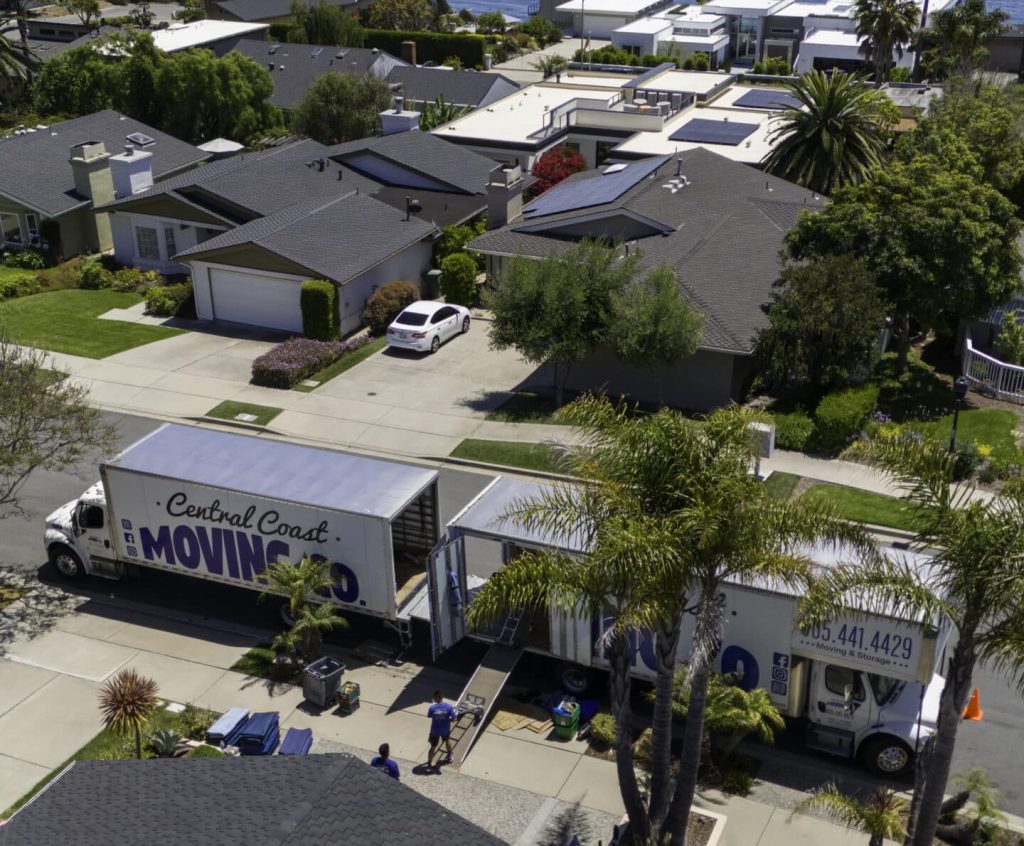
For professional support, Central Coast Moving offers comprehensive long-distance moving services, including packing, transportation, and storage tailored to your requirements. Their expertise can streamline logistics and help ensure a successful relocation.
3. Notify Important Parties
Once your moving date is confirmed, notify relevant organisations of your new address. File a change-of-address with the United States Postal Service (USPS) to forward mail. Update banks, insurers, utilities, and subscription services. For children, notify current and receiving schools to arrange records transfer.
Create a simple notification checklist that includes vehicle registration, professional licensing bodies (if applicable), healthcare providers, and memberships (gyms, clubs). Allow extra time for organisations that require proof of residency or have administrative lead times. Consider updating emergency contacts and any delivery addresses for recurring shipments to prevent missed deliveries.
4. Packing and Organizing
Thoughtful packing reduces damage and accelerates unpacking. Prepare an essentials box with toiletries, a few days of clothing, and critical documents. Pack room by room and label each box with contents and destination room to maintain order. Consistent labelling—such as numbering boxes and keeping an index—makes locating items during the move and in the first days after arrival much easier.
Central Coast Moving also provides professional packing services to secure fragile items and optimise truck space. Their team can support efficient loading and protect high-value belongings during transit.
Preparing an Essentials Box

An essentials box ensures immediate access to necessary items on arrival. Include toiletries, several days of clothing, and important documents such as identification, medical records, and financial papers. Add chargers for phones and devices, a basic toolkit (screwdriver, measuring tape, utility knife), medications, pet supplies, and a few cleaning supplies for quick tidy-up on day one.
- Toiletries : Keep personal hygiene items easily accessible.
- Clothing : Pack a few days’ worth of clothes for immediate use.
- Important Documents : Include identification, medical records, and financial documents.
- Electronics and Chargers : Phone and device chargers, a power strip, and any small adapters you use regularly.
- Medications and Essentials : Prescription medicines in original containers and basic first-aid supplies.
Packing Room by Room
To streamline packing, follow clear procedures: start early, use durable supplies, and label boxes with contents and room designation to simplify unpacking. Tackle one room at a time to avoid scattered, half-packed spaces. Photograph the contents of electronics and complex assemblies before disassembly so reassembly is straightforward.
- Start Early : Begin packing non-essential items well in advance.
- Use Quality Packing Supplies : Invest in sturdy boxes and packing materials to protect your belongings.
- Label Boxes Clearly : Indicate the contents and the room they belong to for easier unpacking.
- Create a Box Inventory : Maintain a simple spreadsheet or numbered list so you can quickly find high-priority items on arrival.
5. Moving Day Preparation
On moving day, supervise loading to confirm proper handling and secure placement of items. Ensure utilities at your current residence are turned off and perform a final walkthrough to retrieve overlooked belongings. Use a checklist to verify completion of essential tasks. Keep a small bag with cash, identification, snacks, and water, and maintain open communication with the moving crew about fragile items and preferred loading order.
If you are travelling separately from the moving truck, coordinate arrival times and confirm contact information for the driver. For valuable or sentimental items, consider transporting them yourself rather than placing them on the moving truck.
6. Arrival and Settling In
Upon arrival, prioritise unpacking the kitchen and bedrooms to restore basic function. Activate utilities and internet promptly. Explore local shops, services, and parks to familiarise yourself with the neighbourhood and support rapid settlement. Allow a few days to sort boxes by priority, and plan small daily tasks so the unpack process is manageable without becoming overwhelming.
Consider setting up essential systems first: waste and recycling routines, safety alarms, and key contacts such as the nearest pharmacy and urgent care. Register with a new primary care provider if you’re changing providers, and transfer prescriptions where necessary.
7. Legal and Administrative Tasks
After relocating, complete mandatory administrative tasks. Visit the Department of Motor Vehicles (DMV) to update vehicle registration and obtain a new driver’s license. Register to vote in your new district and update tax information as required to remain compliant. Check local deadlines for registration and licence updates to avoid fines.
Also update professional licences, insurance policy addresses, and any legal documents that list your address (wills, trusts, power of attorney). Keep copies of address-change confirmations for your records in case proof is needed later.
8. Building a New Routine
Establish a daily routine that balances work, leisure, and community activities. Identify local resources—gyms, clubs, and community organisations—to build a support network and accelerate integration into your new environment. Small rituals, such as a regular walk, a weekly visit to a local coffee shop, or volunteering, help you become familiar with your surroundings and meet neighbours.
If you have children, integrate school and extracurricular schedules into the family routine early to create stability. For professionals, scout coworking spaces or networking events to expand professional connections in the new area.
Checklist for Moving Out-of-State
A concise checklist maintains organisation throughout the move. Include obtaining moving estimates, notifying your landlord or realtor, and sorting and decluttering to reduce the volume of items to transport. Add a timeline to each task so you can track progress and avoid last-minute rushes.
- Get Estimates from Moving Companies : Research and compare quotes to find the best option.
- Notify Your Landlord or Realtor : Ensure you follow proper procedures for ending your lease or selling your home.
- Sort and Declutter : Take the opportunity to donate or discard items you no longer need.
- Schedule Utilities and Services : Arrange activation dates for utilities and internet at your new address and schedule turn-off at your old address.
- Prepare a Moving-Day Plan : Confirm timelines, parking permits for moving trucks, and contact numbers for all parties involved.
Common Challenges to Anticipate
Expect both emotional and logistical challenges. Emotional stress from leaving familiar surroundings is common. Logistical issues, such as transport delays or service complications, may occur. Preparing in advance mitigates these risks and expedites recovery. Build buffer days into your timeline to absorb delays without cascading effects on other tasks.
If complications arise, focus on immediate needs—shelter, food, and key documents—and use your contingency fund and prior research to resolve issues efficiently. Stay flexible and maintain contact with service providers and movers to manage expectations and timelines.
How Do I Plan and Prepare for a Long-Distance Move?
Effective preparation follows a staged timeline and clear task list to ensure nothing is overlooked. Create milestones such as “research completed,” “moving company booked,” and “essentials packed” to monitor progress. Delegate responsibilities among household members and set realistic daily goals to avoid burnout.
- 1-2 Months Before Moving : Start researching your new area and create a moving budget.
- 3-4 Weeks Before Moving : Begin packing non-essential items and notify important parties.
- Final Preparations : Confirm moving arrangements and conduct a final walkthrough of your current home.
What Is the Ideal Moving Timeline for a Long-Distance Relocation?
A long-distance relocation typically requires several weeks of coordinated planning. Aim to finalise major arrangements at least one month in advance to secure preferred movers and manage packing timelines. For busy households or during peak seasons, begin planning earlier—two to three months—so you have access to better dates and pricing.
Build contingency time into your schedule for unexpected tasks such as obtaining documents, scheduling repairs, or accommodating a delayed shipment. A staggered timeline reduces stress and prevents last-minute rushes that increase error risk.
Which Key Tasks Should Be Included in a Long-Distance Moving Checklist?
A comprehensive checklist should prioritise researching your destination, creating a detailed moving budget, and notifying relevant organisations of your address change. Include practical preparations such as transferring prescriptions, arranging pet transport, and planning vehicle logistics if driving long distances.
- Researching Your New State : Understand the local culture and amenities.
- Creating a Moving Budget : Estimate all potential costs associated with the move.
- Notifying Important Parties : Update your address with relevant organizations.
- Planning Transportation : Decide if you will drive, fly, or accompany your belongings by truck and arrange travel and lodging accordingly.
What Are the Best Packing Strategies for Long-Distance Moves?
Employ organised packing methods: create and follow a schedule, select appropriate box sizes for each item, and label boxes clearly to speed unpacking and reduce damage. Use the heaviest boxes for books and dense items and reserve medium boxes for fragile household goods. Reinforce bottoms with extra tape and seal boxes securely to prevent collapse during transit.
- Get Organized : Create a packing schedule to stay on track.
- Use the Right Box Sizes : Choose boxes that fit the items being packed to prevent damage.
- Labeling : Clearly label boxes to simplify the unpacking process.
- Protect Electronics : Use original packaging where possible and pad devices with bubble wrap and blankets.
How Can I Protect Fragile Items During Packing?
Protect fragile items by cushioning with bubble wrap or packing paper, filling voids to prevent movement, and employing packing techniques that limit shifting during transport. Wrap delicate items individually and use dividers for glassware and dishes. Place heavier items at the bottom of boxes and lighter, fragile pieces on top.
- Cushioning : Use bubble wrap or packing paper to cushion delicate items.
- Filling Empty Spaces : Fill any gaps in boxes to prevent movement during transport.
- Packing Techniques : Use sturdy boxes and pack items tightly to minimize shifting.
- Double-Boxing : For extremely fragile or valuable items, consider double-boxing with padding between boxes for extra protection.
What Packing Supplies Are Essential for a Long-Distance Move?
Essential supplies include a range of moving boxes, sealing and labeling materials, and cushioning such as bubble wrap, packing paper, and foam to protect fragile items. Include heavy-duty tape, markers for labeling, mattress covers, and stretch wrap for furniture. Consider moving blankets and straps to protect and secure items inside the truck.
- Moving Boxes : Various sizes for different items.
- Sealing and Labeling Materials : Tape and markers for securing and identifying boxes.
- Cushioning and Wrapping Materials : Bubble wrap, packing paper, and foam for protecting fragile items.
- Protective Covers : Mattress and furniture covers to keep items clean and scratch-free.
How Do I Choose the Right Long-Distance Moving Company?
Evaluate movers by researching reputation, verifying licensing and insurance, and obtaining multiple quotes. Compare services, timelines, and customer feedback to make an informed selection. Check for red flags such as unregistered vans, large deposits requested up front, or vague contract terms, and ask for written estimates and itemised contracts.
- Research and Reputation : Look for companies with positive reviews and a solid track record.
- Licensing and Insurance : Ensure the company is properly licensed and insured for your protection.
- Multiple Quotes : Obtain quotes from several companies to compare services and pricing.
- Check References : Ask the mover for references or review past customer feedback on reliable platforms.
How Can I Obtain and Compare Personalized Moving Quotes?
Request personalised estimates from multiple reputable companies. Provide a detailed inventory and service requirements so quotes reflect the actual scope. Ask each company whether quotes are binding or estimates and whether additional charges may apply for factors like long carries or shuttle service to reach inaccessible locations.
- Research Moving Companies : Look for reputable companies in your area.
- Request Multiple Quotes : Contact several companies to get estimates based on your specific needs.
- Consider Key Factors : Evaluate quotes based on services offered, pricing, and customer reviews.
- Clarify Service Details : Confirm pickup and delivery windows, liability coverage options, and cancellation policies.
What Storage Solutions Are Available During a Long-Distance Move?
Storage solutions provide logistical flexibility. Options include portable containers delivered to your location, traditional storage facilities, and short- or long-term storage depending on your schedule and needs. Choose storage with climate control for sensitive items and check security features such as gated access, lighting, and CCTV.
- Portable Storage Solutions : Containers that can be delivered to your location for packing at your convenience.
- Traditional Moving Services : Companies that offer storage facilities for your belongings during the transition.
- Short-Term and Long-Term Storage : Depending on your needs, you can choose storage options that fit your timeline.
How Do Storage Services Support Flexible Moving Timelines?
Storage services support flexible timelines by enabling you to pack at your own pace, providing secure storage until you are ready to receive your items, and offering short-term options for temporary gaps between residences. If you face unforeseen delays with your new home, storage gives you breathing space to avoid rushed moves or damage from hurried packing.
- Portable Storage Solutions : Allowing you to pack at your own pace.
- Traditional Moving Services : Offering secure storage for your belongings until you are ready to move in.
- Short-Term Storage Options : Ideal for those who need temporary solutions during the moving process.
What Storage Options Are Offered in the California Central Coast and Arizona?
In the California Central Coast and Arizona, providers typically offer portable container delivery, full-service storage facilities, and on-site storage options that keep items accessible near your new home. Investigate seasonal demand and regional pricing differences to find the best value; coastal and urban areas may have higher demand and limited availability.
- Portable Storage : Convenient containers that can be delivered to your location.
- Full Storage Solutions : Facilities that offer comprehensive storage services for your belongings.
- On-Site Storage : Options that allow you to keep items close to your new home for easy access.
How Can I Estimate and Manage Long-Distance Moving Costs?
Estimate and manage costs by preparing a detailed budget, using online calculators to assess distance and volume, and setting aside a contingency fund for unexpected expenses. Track actual expenses against your budget throughout the process so you can identify areas to reduce costs, such as downsizing shipment volume or shifting travel plans to off-peak days.
- Creating a Detailed Budget : Outline all potential expenses to avoid surprises.
- Using a Calculator : Utilize online tools to estimate moving costs based on distance and volume.
- Setting a Contingency Fund : Allocate extra funds for unexpected expenses that may arise during the move.
What Factors Influence the Cost of a Long-Distance Move?
Cost is influenced by distance, the size and weight of your shipment, and timing. Moves during peak seasons often incur higher rates due to increased demand. Other factors include the ease of access at both addresses, the need for specialty handling of fragile or bulky items, and whether you require storage between pickup and delivery.
- Distance of the Move : Longer distances typically result in higher costs.
- Size and Weight of the Load : More items will increase transportation costs.
- Time of Year : Moving during peak seasons can lead to higher prices due to demand.
- Access and Services Required : Stairs, long carries, and special equipment can add to total charges.
How Can Transparent Pricing and Insurance Options Reduce Moving Risks?
Transparent pricing and clear insurance choices reduce risk by providing detailed cost breakdowns, clarifying basic versus full coverage, and allowing you to verify the mover‘s insurance credentials. Request written descriptions of each coverage option and examples of how claims are handled to compare options more effectively.
- Providing Detailed Estimates : Clear breakdowns of costs help you understand what you are paying for.
- Offering Basic vs. Full Coverage : Understanding your insurance options can protect your belongings during transit.
- Requesting Proof of Insurance : Ensuring your moving company is insured can provide peace of mind.
What Are the Essential Safety and Insurance Tips for Long-Distance Moves?
Ensure a safe move by reviewing available insurance options, adhering to packing and handling protocols, and retaining valuables and important documents with you during transit. Take clear photographs of high-value items before packing and inventory serial numbers where possible; these records simplify claims if damage occurs.
- Understand Insurance Options : Familiarize yourself with the coverage provided by your moving company.
- Follow Safety Protocols : Ensure that all items are packed securely to prevent accidents.
- Keep Valuables with You : Transport important documents and valuables personally to avoid loss.
- Document Condition : Photograph items and note pre-existing damage to avoid disputes during claims.
Where Can I Find Expert Resources and Support for My Long-Distance Move?
Seek educational guides, customer testimonials, and professional advice. Authoritative resources and experienced movers can offer practical solutions and reduce uncertainty during the relocation process. Local community groups and relocation services can also provide hands-on advice specific to your destination.
- Educational Resources : Online guides and articles that provide valuable insights into the moving process.
- Customer Testimonials : Reviews from others who have completed similar moves can offer guidance.
- Expert Advice : Consulting with moving professionals can help you navigate challenges effectively.
How Do Educational Resources Enhance Moving Success?
Educational resources reduce uncertainty by providing reliable information, step-by-step procedures to keep you organised, and practical tips that build confidence as you manage the move. Use checklists, sample timelines, and printable inventories to stay on schedule and to ensure small but important items are not overlooked.
- Providing Access to Information : Knowledge about the moving process can reduce anxiety and uncertainty.
- Guiding You Through the Process : Step-by-step instructions can help you stay organized.
- Building Confidence : Understanding what to expect can empower you to tackle your move with assurance.
How Can Customer Testimonials Inform My Moving Decisions?
Customer testimonials help evaluate reliability, illustrate typical customer experiences, and inform decision-making by highlighting strengths and potential issues observed by others. Look for patterns in reviews—consistent praise or repeated complaints are more informative than single, isolated comments.
- Assessing Reliability : Reviews can help you gauge the trustworthiness of moving companies.
- Understanding Customer Experiences : Insights from others can highlight potential challenges and benefits.
- Making Informed Decisions : Gathering information from multiple sources can lead to better choices.
To further assist with your moving preparations, consider getting a moving quote from reputable moving companies. This can support accurate budgeting and contribute to a smoother transition.
Frequently Asked Questions
What should I do if I encounter unexpected delays during my long-distance move?
Delays may result from traffic, weather, or logistical issues. Maintain regular communication with your moving company for status updates. Prepare contingency plans such as temporary accommodation or secure storage, and keep essential items accessible to reduce disruption. If you are delayed en route, notify contacts at both origin and destination and revise arrival estimates to avoid missed appointments or scheduling conflicts.
How can I make my new home feel welcoming after a long-distance move?
Make your new home welcoming by unpacking essential areas first and arranging key furniture for immediate use. Add personal items such as photos or artwork, introduce yourself to neighbours, and explore local amenities to establish a sense of belonging. Small touches—lighting, familiar bedding, and a few favourite kitchen items—can make a big difference in feeling settled quickly.
What are some common emotional challenges faced during a long-distance move?
Long-distance moves often provoke stress, anxiety, and sadness as you leave familiar surroundings. Acknowledge these feelings, maintain contact with loved ones, engage in local activities, and establish a routine to regain stability and ease adjustment. Allow time to grieve what you left behind; intentional self-care and social contact speed up emotional recovery.
How can I ensure my pets are comfortable during a long-distance move?
Prepare pets by acclimatising them to carriers through short trips. On moving day, keep them in a quiet room with food, water, and familiar items. After arrival, set up a dedicated area with their belongings to help them settle. Update pet records and microchip information with your new address and locate nearby veterinarians as an early step.
What steps should I take to update my address for online accounts and subscriptions?
Update your address across online accounts for banks, utilities, and retailers. Review subscription services and update delivery details. Arrange USPS mail forwarding to capture correspondence sent to your previous address during the transition period. Keep a list of all subscription services and recurring deliveries so nothing is overlooked.
How can I find local services and amenities in my new area?
Use mapping and review platforms to locate restaurants, grocery stores, healthcare facilities, and recreational options. Consult local community websites and social media groups for resident recommendations, and explore the neighbourhood to identify services firsthand. Visiting community centres, libraries, and local bulletin boards can reveal hyper-local events and services that online maps may not highlight.
What are the benefits of hiring professional movers for a long-distance relocation?
Professional movers provide expertise, specialised equipment, and efficient processes. They handle packing, loading, and transport with appropriate materials to protect belongings. Engaging professionals saves time, reduces stress, and allows you to focus on settling into your new home. Weigh the cost against the value of time saved and reduced physical strain to determine whether full-service moving is the right choice for your household.
Prepare Your Next Long Distance Move with Central Coast Moving

A successful long-distance move requires deliberate planning and disciplined execution. Research your destination, manage finances with a detailed budget, and adopt organised packing practices to reduce stress. Use local resources to build connections and establish a routine that supports long-term comfort. For additional expert guidance and resources, consider visiting our website. With thoughtful preparation and the right support, you can make the move smoother and focus on the opportunities that come with a new home.
Ready to get started? Get a quote today and see how we can help you with your next move!


